
Why Renewable Energy and EV Charging Infrastructure Need Professional Insulated Tools
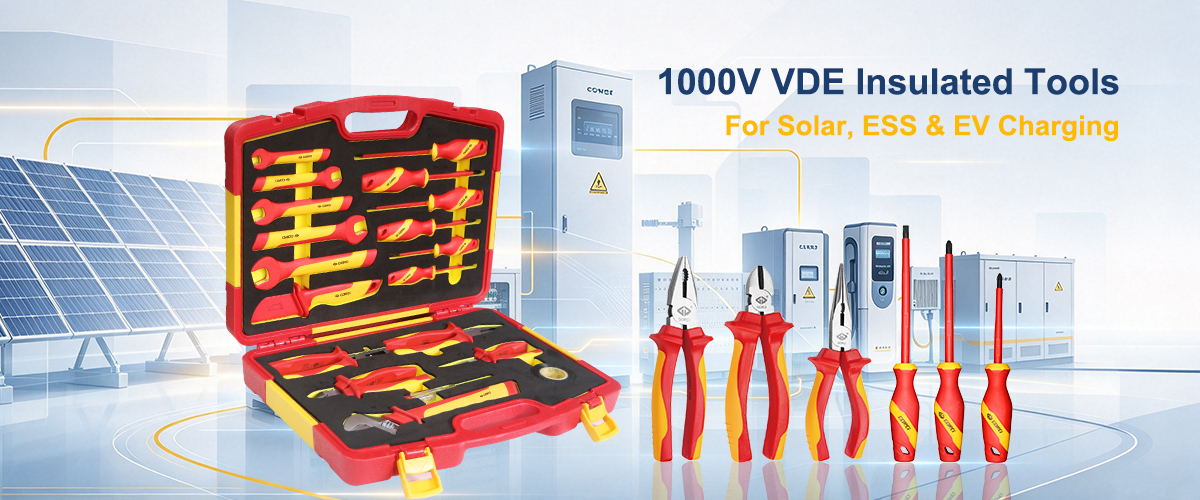
Insulated Tools for Renewable Energy and EV Charging Infrastructure
Explore the role of insulated hand tools in electrical maintenance for solar power, battery storage, EV charging stations, and industrial power systems.
01
Electrification Is Creating New Challenges for Electrical Maintenance
The global transition toward electrification is changing how electrical infrastructure is designed, installed, and maintained.
Solar photovoltaic systems, battery energy storage, electric vehicle charging stations, industrial power equipment, and modern distribution networks all rely on electrical components that require appropriate installation and maintenance procedures.
Industry analysis continues to highlight grid modernization, electrification equipment, and growing electricity demand as important developments in the energy sector. The International Electrotechnical Commission’s 2026 trend report also examines sustainable electrical equipment, lifecycle management, and the role of standards in the transition toward more sustainable energy systems.
These developments create opportunities for professional tool suppliers serving electrical contractors, maintenance companies, equipment manufacturers, and industrial distributors.
02
Where Are Insulated Tools Used in Electrical Infrastructure?
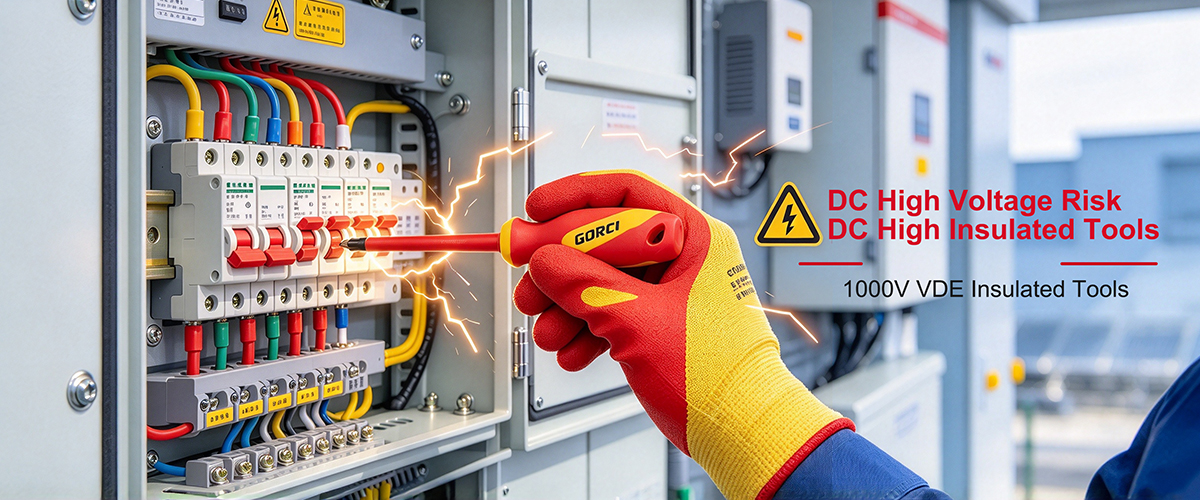
1. Solar Photovoltaic Systems
Solar installations combine electrical connections, power conversion equipment, distribution components, and monitoring systems.
During installation and maintenance, technicians may need screwdrivers, pliers, wrenches, and other hand tools suitable for the specific task.
DC circuits can remain hazardous even when the AC supply has been disconnected. Appropriate isolation, verification, and manufacturer-specific procedures are therefore essential.
Insulated tools can provide additional protection where the task and electrical risk assessment call for them.
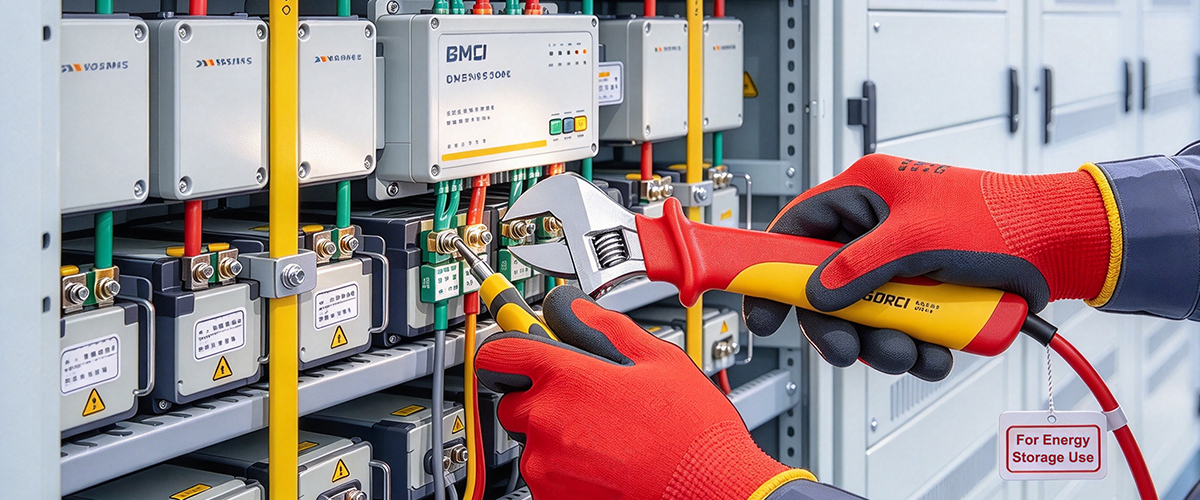
2. Battery Energy Storage Systems
Battery energy storage systems are increasingly used in commercial, industrial, and grid-related applications.
Maintenance requirements may involve battery connections, power conversion equipment, protective devices, and electrical control systems.
Tool selection must account for the system’s electrical characteristics, the manufacturer’s instructions, available working clearances, and the required mechanical specifications.
A tool’s nominal voltage rating alone does not establish that it is suitable for every battery system or maintenance operation.
3. Electric Vehicle Charging Infrastructure
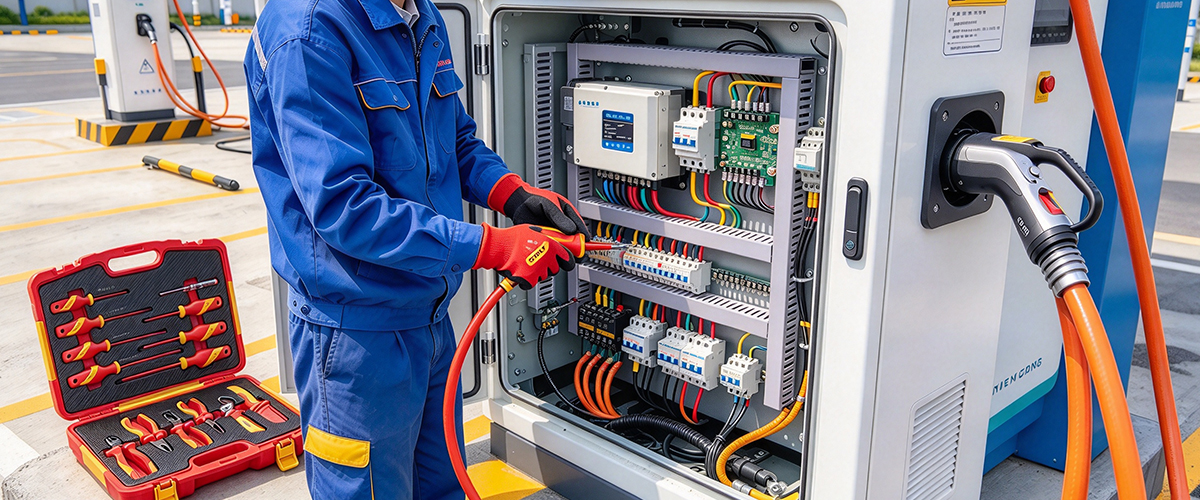
EV charging infrastructure includes AC charging equipment, DC fast chargers, connectors, cables, power electronics, and associated electrical distribution systems.
As charging technologies evolve, maintenance teams need suitable equipment and procedures for different components and service conditions.
Professional insulated hand tools may be relevant to certain electrical maintenance tasks, provided that the tools meet the requirements of the particular application.
The development of charging standards and charging infrastructure is an ongoing industry focus, including work on interoperability, electrical safety, and high-power charging systems.
4. Industrial Electrical Maintenance
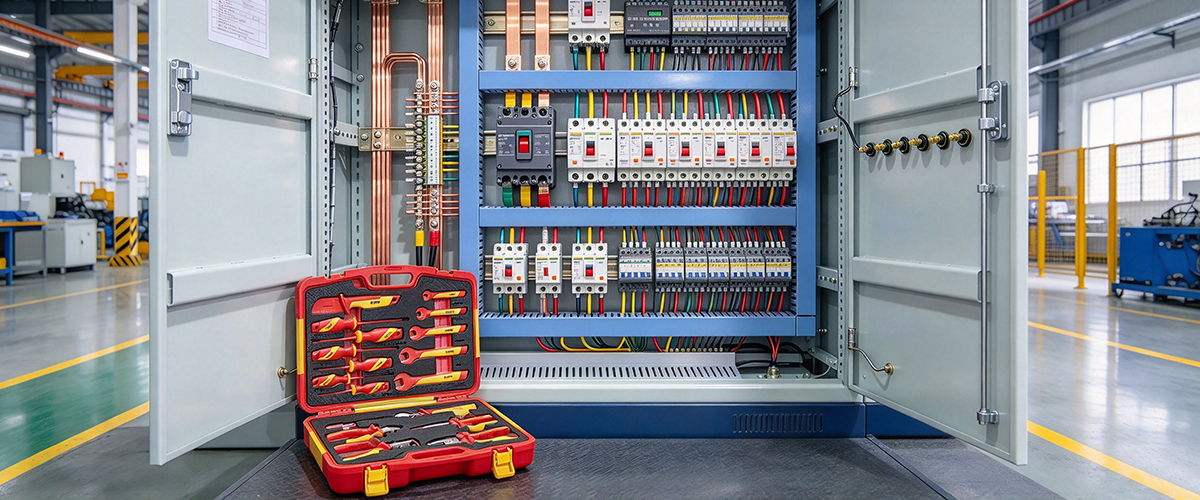
Factories, commercial buildings, and industrial facilities depend on electrical panels, motor control systems, distribution equipment, and automation infrastructure.
For maintenance teams, selecting appropriate hand tools can support consistent work practices and help reduce the risk of accidental conductive contact during relevant tasks.
A properly specified insulated tool set can also make it easier to organize commonly used tools for electrical maintenance operations.
03
How to Choose the Right Insulated Tools for Energy Projects
Electrical infrastructure projects can involve very different working conditions. Buyers should consider several factors when selecting tools.
Application requirements: Identify the exact equipment, fasteners, and maintenance procedures involved.
Applicable standards: Confirm the standards, markings, documentation, and voltage ratings required for the task and market.
Mechanical performance: Check the tool dimensions, grip, cutting or fastening performance, and torque requirements where applicable.
Inspection and storage: Establish procedures for checking insulation condition, preventing damage, and removing unsuitable tools from service.
Tool configuration: Consider whether individual tools or a complete insulated tool set is more practical for the maintenance team.
Insulated tools should never be considered a substitute for de-energizing equipment when required, following lockout procedures, verifying the absence of voltage, or using properly trained personnel.
04
What This Means for Insulated Tool Distributors
The electrification market creates a broad range of potential customers for professional insulated tools.
Electrical wholesalers may focus on insulated screwdrivers and pliers for installation work. Industrial suppliers may require more comprehensive tool sets. Equipment manufacturers and maintenance contractors may need specific wrench or torque wrench configurations.
For distributors, a well-organized product range supported by clear specifications and documentation can help serve these different customer groups.
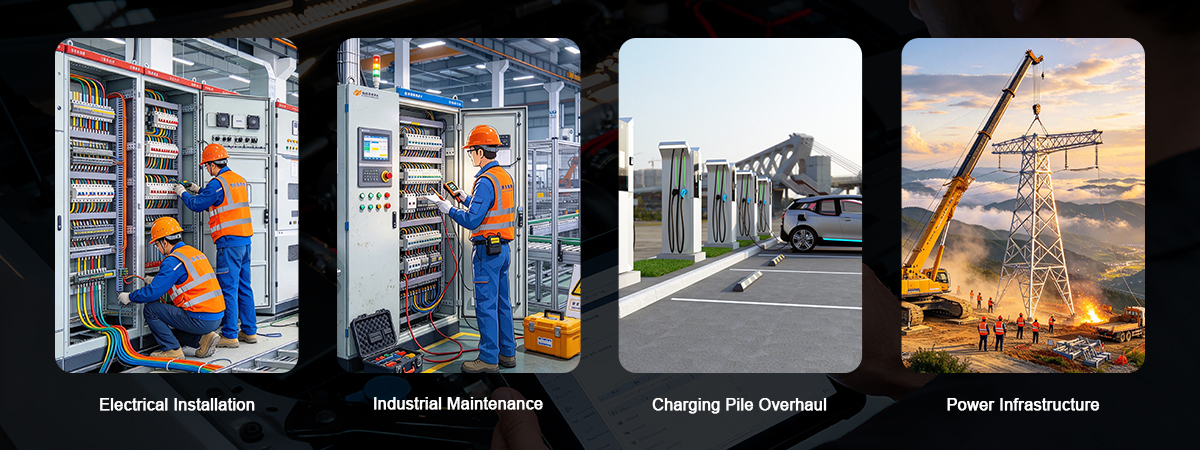
Rather than offering a generic selection, suppliers can organize products around practical applications such as electrical installation, industrial maintenance, EV servicing, and power infrastructure.
05
SANTU: Supporting Professional Electrical Work
SANTU VDE Tools range offer insulated hand tools for professional electrical and industrial applications, including insulated screwdrivers, pliers, wrenches, torque wrenches, and tool sets.
For distributors and project buyers, the next step is to match the available product specifications and documentation to the requirements of the intended market.
Explore the SANTU VDE insulated tools range to review product options for electrical installation and maintenance applications.
Are you looking for an insulated tool manufacturer for your distribution business or electrical maintenance projects? Contact SANTU Tools to discuss your product requirements.